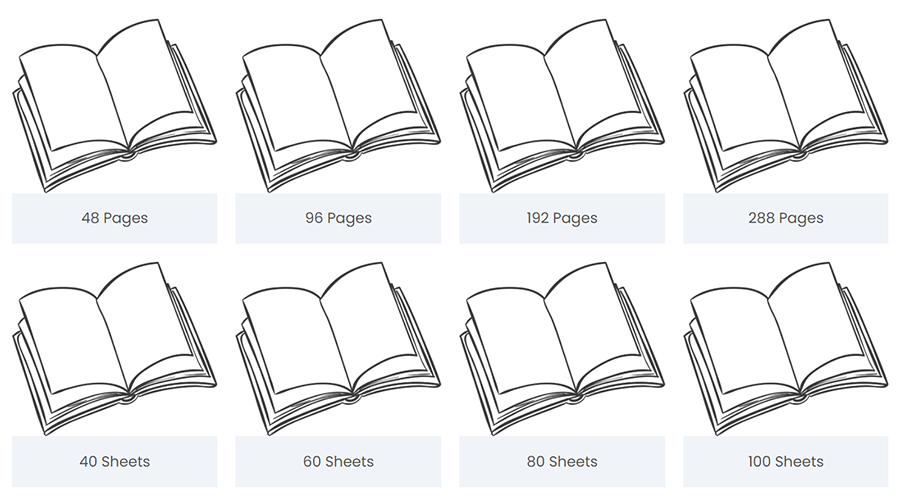
Notebooks are essential tools that capture our thoughts, ideas, and inspirations. Behind these seemingly simple items lies a fascinating world of notebook manufacturing, where creativity, craftsmanship, and innovation converge. In this article, we explore the intricate process of notebook production, from raw materials to the final product, and discover the dedication that goes into crafting these indispensable companions.
Design and Conceptualization
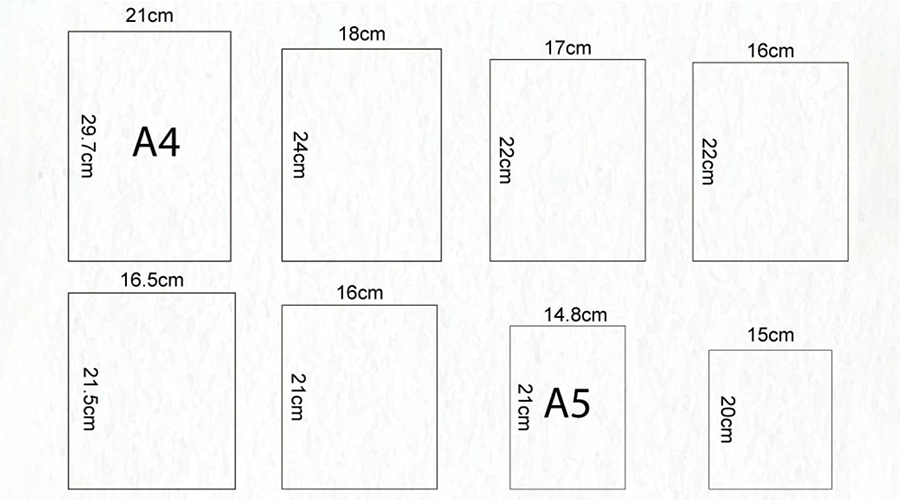
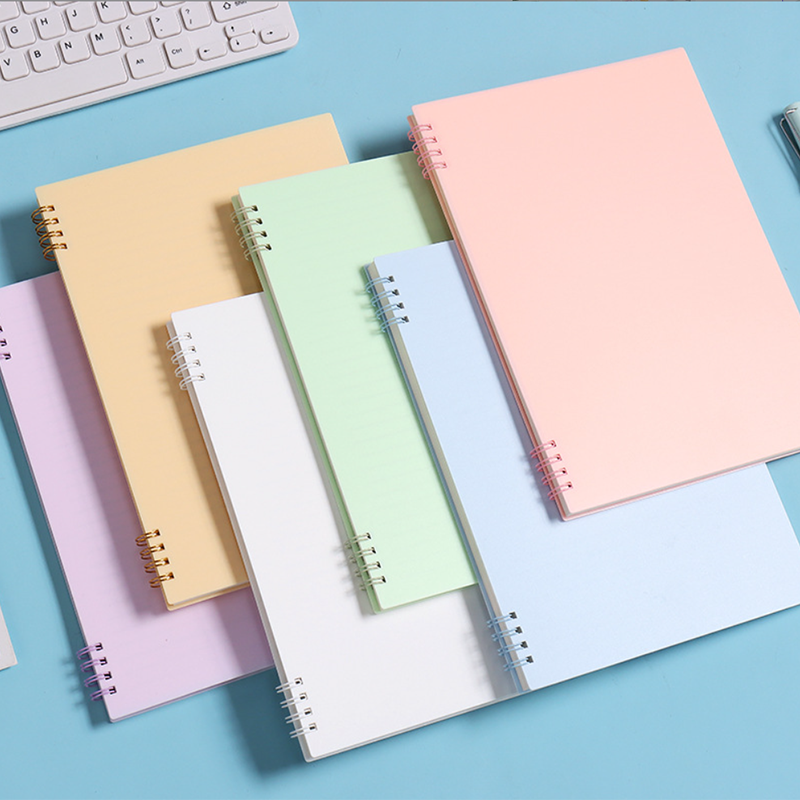
The notebook manufacturing process begins with design and conceptualization. Talented designers envision layouts, covers, and themes that cater to diverse preferences and purposes. From minimalist elegance to vibrant artistic expressions, the design choices reflect the notebooks’ intended use. The interplay of colors, textures, and paper types are carefully curated to offer a delightful writing experience for users. Meticulous attention to detail ensures that each notebook design conveys a distinct personality that resonates with the target audience.
Material Selection and Sourcing
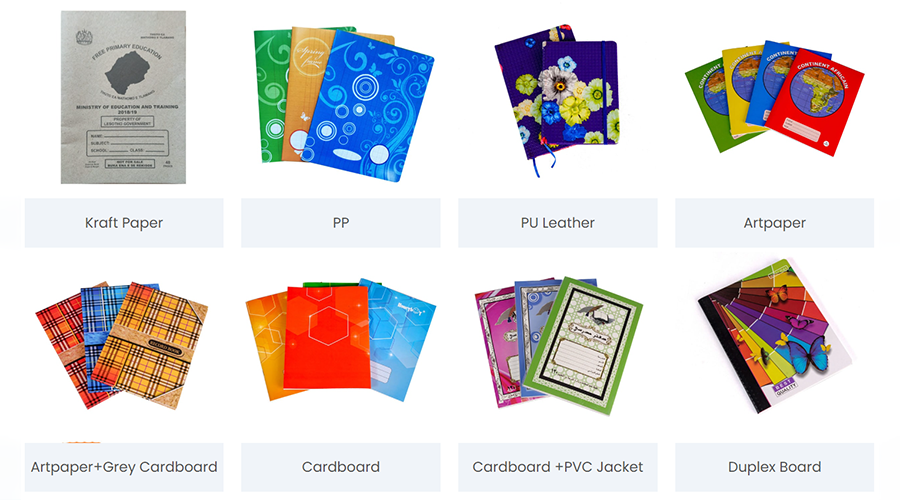
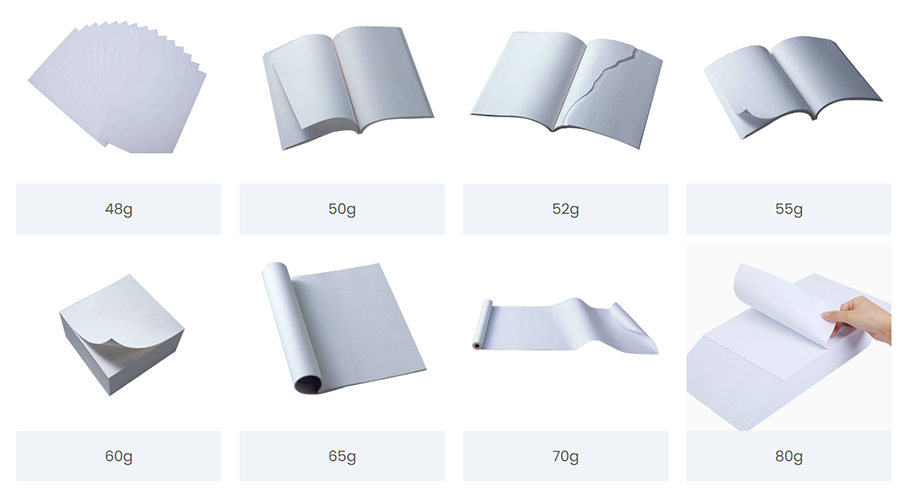
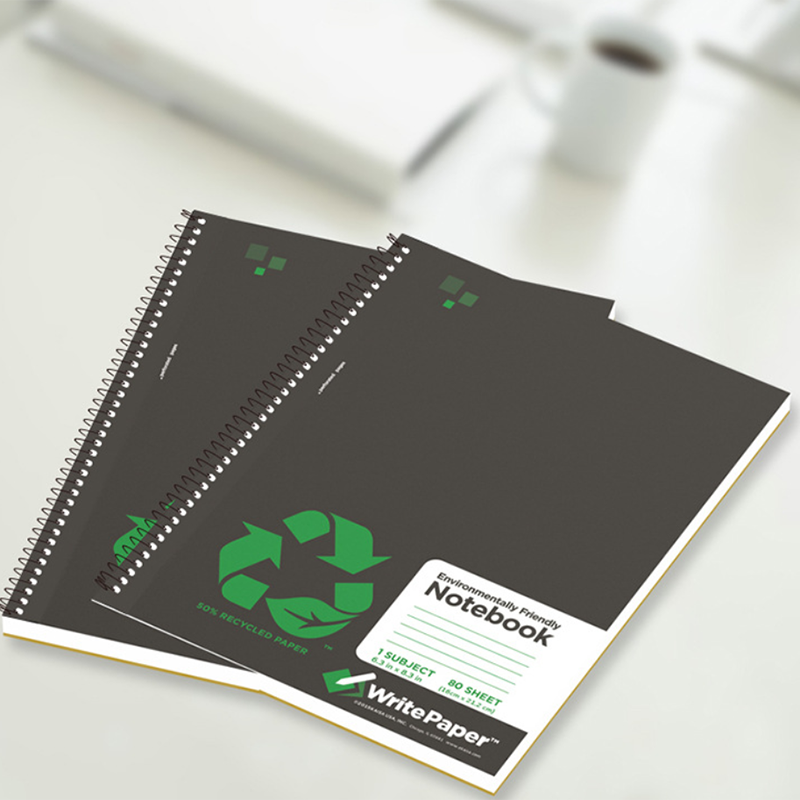
Choosing the right materials is a critical aspect of notebook manufacturing. High-quality paper that offers a smooth writing surface and prevents ink bleed-through is essential. Notebook covers come in various materials such as leather, fabric, and eco-friendly options like recycled paperboard. Sustainable practices in material sourcing are increasingly prioritized to minimize the environmental impact of production. Notebook manufacturers collaborate with trusted suppliers to ensure the consistent availability of premium materials, allowing them to create products that withstand wear and tear while embodying eco-consciousness.
Precision Printing and Binding
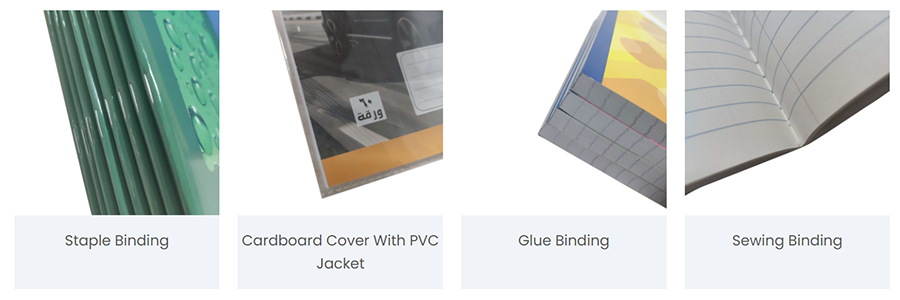
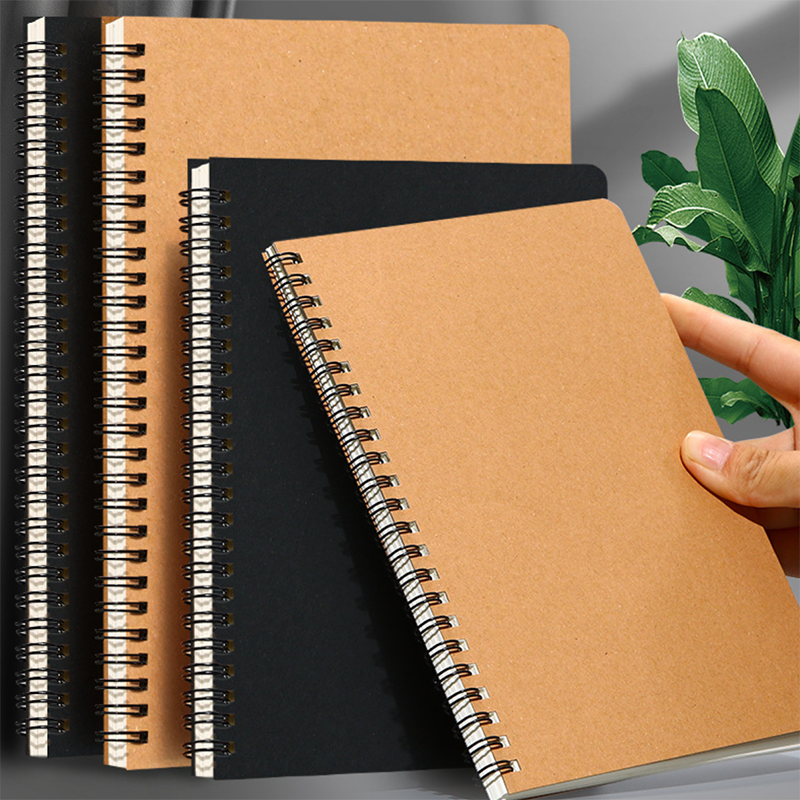
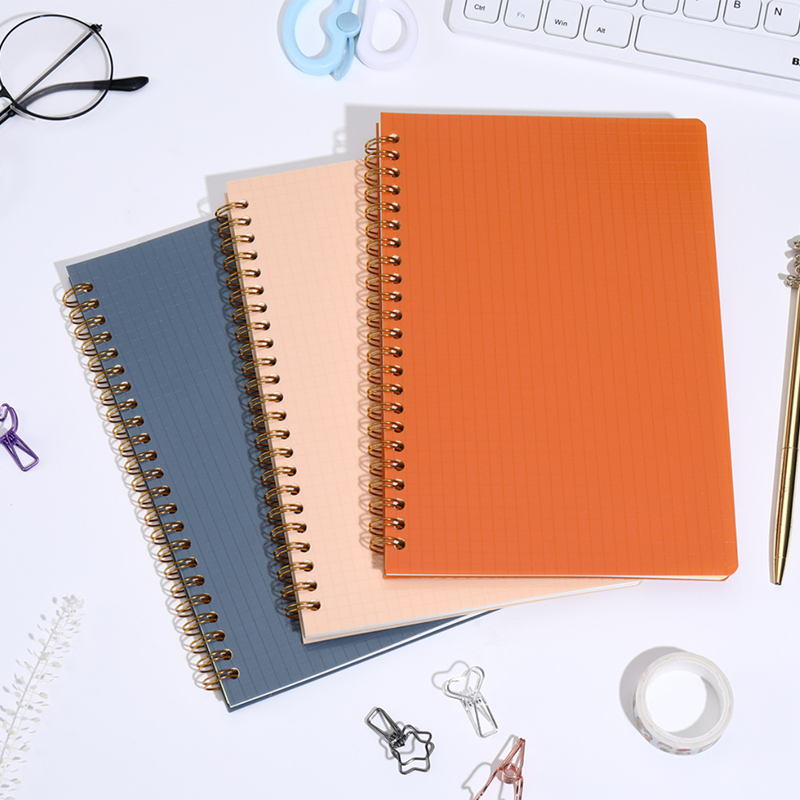
The printing process demands precision to reproduce the intricate designs envisioned by the creative team. Advanced printing techniques, such as digital printing and offset printing, ensure that colors are vibrant and images are crisp. After printing, the pages are carefully organized and stitched together to form a booklet, ensuring durability and longevity. The binding method may vary, including saddle-stitching, perfect binding, or spiral binding, each offering distinct advantages based on the notebook’s size and intended use.
Customization and Personalization
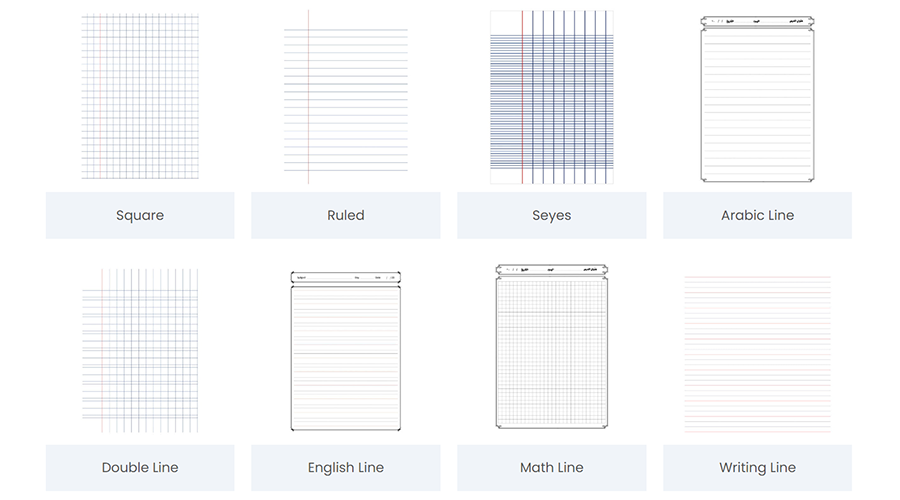
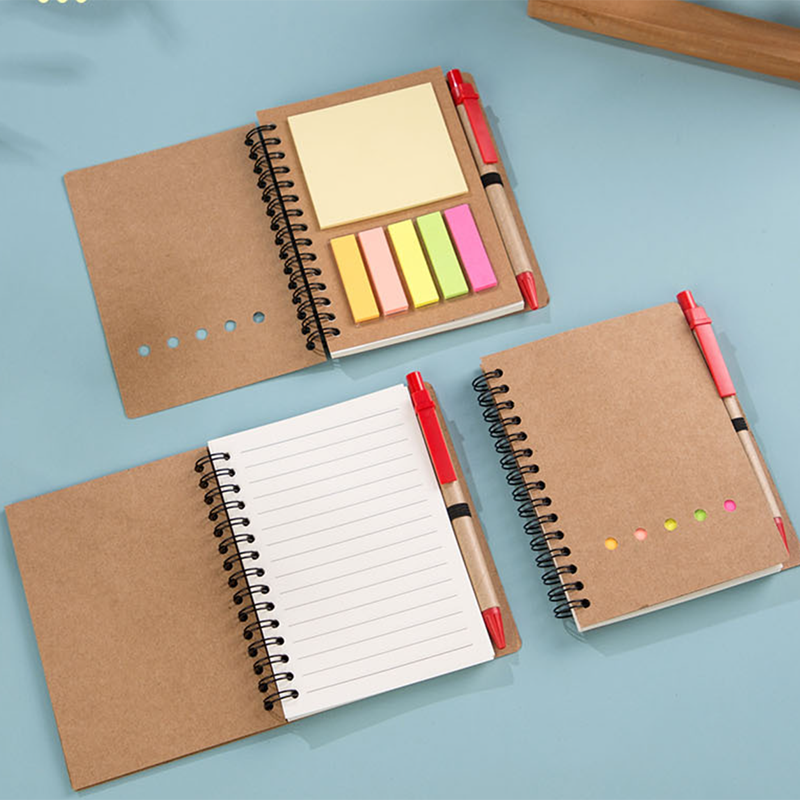
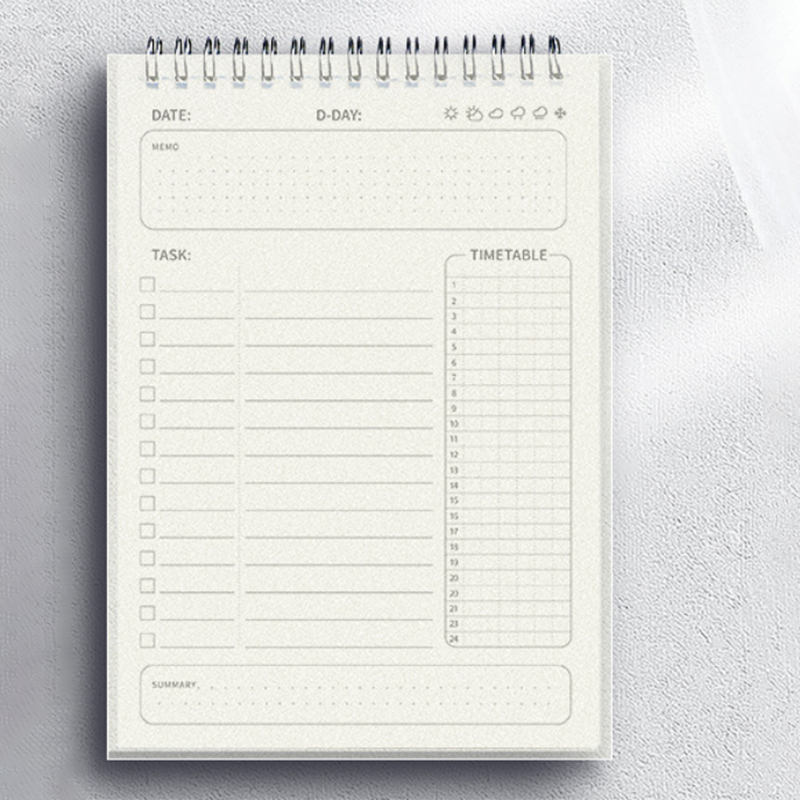
Notebook manufacturing caters to individual preferences, allowing for customization and personalization. Many manufacturers offer options for monogramming, foil stamping, or custom designs to make notebooks unique and reflective of their owners’ identities. Customization extends to choosing various paper types, such as plain, ruled, grid, or dotted, to suit specific writing needs. Personalized notebooks make thoughtful gifts, corporate branding tools, or cherished keepsakes that leave a lasting impression on their recipients.
Quality Control and Assurance
Maintaining stringent quality control measures is paramount to notebook manufacturing. At every stage, from material inspection to final assembly, rigorous checks are conducted to ensure that the end product meets the highest standards. Quality control processes include paper thickness assessment, color consistency checks, and examination of binding integrity. Manufacturers adhere to ISO and other industry certifications, assuring customers that they are receiving notebooks of exceptional quality and craftsmanship.